
5 common HOA problems that spark owner outrage
Written by: Kim Brown
Published on: September 19, 2025
There are a few compelling reasons why people choose to live in an HOA. The access to amenities and maintenance are big perks. Some communities offer snow removal services or tree trimming, while others give owners access to swimming pools, playgrounds and clubhouses.
Rules can also draw people in. Though they can be a pain, rules help preserve property values, which allows owners to sell their homes at a higher price.
No neighborhood is perfect, but these 5 common issues can transform an owner’s experience from awesome to awful.
See what they are, and how HOAs can make adjustments to improve the owner experience.
5 common HOA problems that spark owner outrage
- Ineffective communication
- Overly restrictive rules
- Inconsistent rule enforcement
- Unexpected fee increases
- Too many guests
1. Ineffective communication
The problem
“I can’t reach anyone!”
“I didn’t know that was happening.”
“Why didn’t the board tell us?”
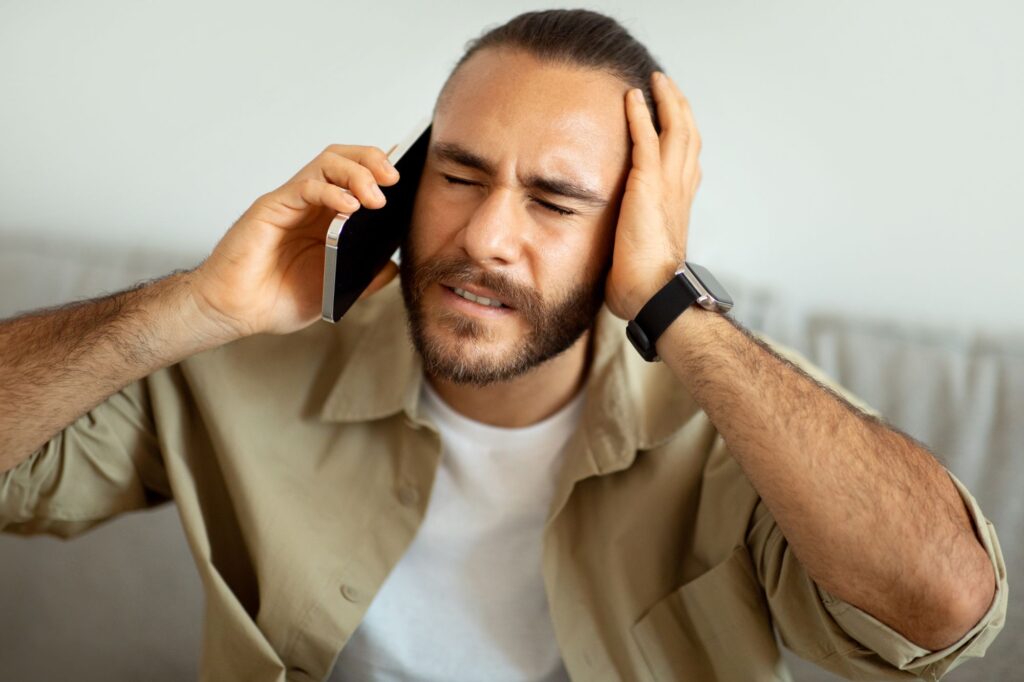
Poor communication from the board or management can lead to misunderstandings, lack of trust, and ultimately, owner apathy.
Whether it’s because communications are carried out through traditional paper letters and notices, or the board simply doesn’t have the time to respond to questions and requests, ineffective communication is frustrating, and costly.
For example, if too few members show up for an annual meeting, then quorum is not reached and board members can’t move forward with business. That can delay projects, making them more costly. Moreover, additional funds are required to reschedule the meeting.
Unhappy owners may also feel less compelled to follow rules and processes, leading to more conflicts or violations. That ultimately means more work for staff.
The fix
Use an HOA website to make documents, forms, and updates accessible 24/7.
HOA Sites is a great option for communities looking to improve communication because its websites are clean and user-friendly. You don’t need any technical knowledge to post notices, create events, or update governing documents.
Even better, maintenance issues, architectural change requests and general questions can all be submitted through the website.
Each change made to a request is logged within the request, along with who made the change. And, automatic overdue notices are sent for any requests that are older than what was established in the resolution timeframe.
By leveraging modern communication channels, HOAs have an easier time keeping up with questions and notifying owners about important things. You can still use traditional mail for owners who prefer it, but the demand for electronic communication will continue to rise.
2. Overly restrictive rules
The problem
“There’s no way that’s a legitimate rule.”
“I’ve been fined for what?”
HOAs need rules to establish and maintain expectations. When people follow them, harmony and property values are preserved.
However, everyone has heard horror stories about overly restrictive rules. Here are just a few examples that owners have shared:
- One of the members on the board lived across the street from me. He sent a letter to me and my neighbor saying that we all have to mow the lawn on the same day, at the same cut height, and in the same pattern to create uniformity in the neighborhood.
- I lived in an HOA that tried to issue fines because my car was too old to be in the driveway. Mind you, no rust, always clean, never dusty/dirty.
- I used cool white LED Christmas lights instead of warm white. There were no specifics listed in the HOA handbook. However, after that year, it was updated, and only warm white lights were allowed.
- My friend’s HOA fined him because the flagpole that was already up in his front yard, before he purchased the house, was too tall.
These kinds of rules do not benefit the HOA. Instead, owners perceive them as oppressive and pointless. It’s the board’s way of taking total control of the community (which is not the point of serving on the board). Owners may feel like they’ve lost personal freedom and the ability to enjoy their property.
The fix
Boards are encouraged to review rules annually. Rules that serve individual desires, and not the community as a whole, should be removed from the governing documents.
That’s not to say that every owner must like every rule. Rather, the rules must be enforceable, and they should serve a meaningful purpose (keeping people/property safe, maintaining the peace).
Rules must also complement bylaws and state laws; they cannot contradict rules that carry more weight.
It’s a great idea to post rules and bylaws on the HOA’s website or similar platform so that owners can easily check them when they need to.
3. Inconsistent rule enforcement
The problem
“My neighbor did the exact same thing but didn’t get in trouble.”
“I’ve done this for years. Why am I only receiving a violation now?”
Selective rule enforcement is when an HOA enforces a rule against some, but not all, owners. Sometimes this happens by mistake, either because the board or manager was not aware that someone else committed the same infraction, or they simply forgot to follow up.
Conversely, new board members may feel that the previous board was too relaxed about rule enforcement, and make more of an effort to fulfill their duties and obligations. While the new board would be doing the right thing, owners may question why they are only now getting in trouble for doing something that they’ve been doing for years.
Mistakes happen, but selective enforcement not only makes it harder to enforce rules, but it can also lead to legal battles and unnecessary expenses.
In some cases, a selective enforcement defense has been successfully used by owners, making it even harder for the board to get others to follow rules.
The fix
Begin by establishing an efficient enforcement system. The HOA should have a system or process for enforcing the rules that anyone could follow. That means having rules and enforcement steps in writing. The HOA must strive to follow the established protocol at all times.
Using a digital violation management solution can alleviate a lot of the manual work that goes into rule enforcement. With the option to customize letters, violation types, due dates, and more, associations can keep the violation processes that they already use. The software platform simply makes the processes faster and easier.
For example, instead of mailing a violation letter to an owner, the letter can be sent through the platform and delivered instantly. Problems can be addressed more quickly, and manual admin work is drastically reduced.
Finally, the HOA board must handle cases fairly and transparently. Avoid prejudice and be mindful of any biases that might impact your decision-making.
Once enforcement becomes consistent, owners will know that there will be consequences for breaking rules.
4. Unexpected fee increases
The problem
“Fees already went up last year. Now we’re getting hit with a special assessment?”
“Where is this money going?
The cost of everything has gone up. If you are a manager or a board member, you have seen for yourself just how much prices have increased over the past few years.
As a result, most associations have had to increase fees; sometimes by as much as 10%…or maybe even more.
Fee increases are part of living in an HOA, but that doesn’t mean owners are happy about it. Many don’t think about balancing the budget or ensuring the reserve fund is adequately funded. They just see another expense.
The shock value is far worse when owners are asked to pay a hefty special assessment. The bill can amount to thousands of dollars, usually the result of inadequate reserves.
The fix
Owners don’t like to see fee increases, but the real frustration occurs when HOA fees increase without a corresponding improvement in amenities or services, or when owners feel their money is being mismanaged.
Transparency is key here. Start by giving as much notice as possible if a special assessment is coming.
The rules and processes for adopting special assessments vary by association, so in some cases, a membership vote is mandatory for approval.
Even if the board is authorized to adopt a special assessment, it must do so at an official board meeting, and community members must be given notice.
Share budget breakdowns and explain the necessity of fees at meetings. Encourage owners to participate and ask questions so that they don’t feel completely powerless.
5. Too many guests
The problem
“I thought we had limits for guests.”
“It’s not fair that we pay fees, but we can’t enjoy the pool.”
Many HOAs permit owners to bring guests over to enjoy shared amenities. But there may be a few individuals who take advantage of this offer. Instead of bringing one guest, they bring six, and they occupy the space for the entire day.
It’s usually the pool and barbecue areas that become problematic. As a result, a peaceful afternoon is transformed into a noisy and unpleasant experience.
The fix
Your course of action will largely depend on the size of your HOA and the severity of the issue. HOAs do not have to let guests use amenities, and they can create a rule that bans guests from using the pool.
This can be a disappointing solution though. If possible, create a detailed guest policy that states how many guests are allowed at one time.
Enforcing the policy is the tricky part. Hiring staff to oversee entrances is the most effective way to manage guests, but it is also the most expensive.
Paid guest passes are another good option, as this can help control overcrowding. Someone will still need to do checks, at least on occasion, to ensure people have paid for passes. Owners may be good at reporting incidents where too many guests have been invited, but again, it can be hard to prove unless there are cameras or staff to validate the report.